


Disadvantages of maglev trains
已更新:3月24日
The main drawbacks of maglev trains are their extremely high construction and operating costs, incompatibility with existing railway systems, complex technical maintenance, and the fact that the technology is not yet fully widespread. Furthermore, the high magnetic field, the difficulty of rescue operations during malfunctions, and the limitations of levitation technology at specific low speeds also restrict their large-scale application and promotion.
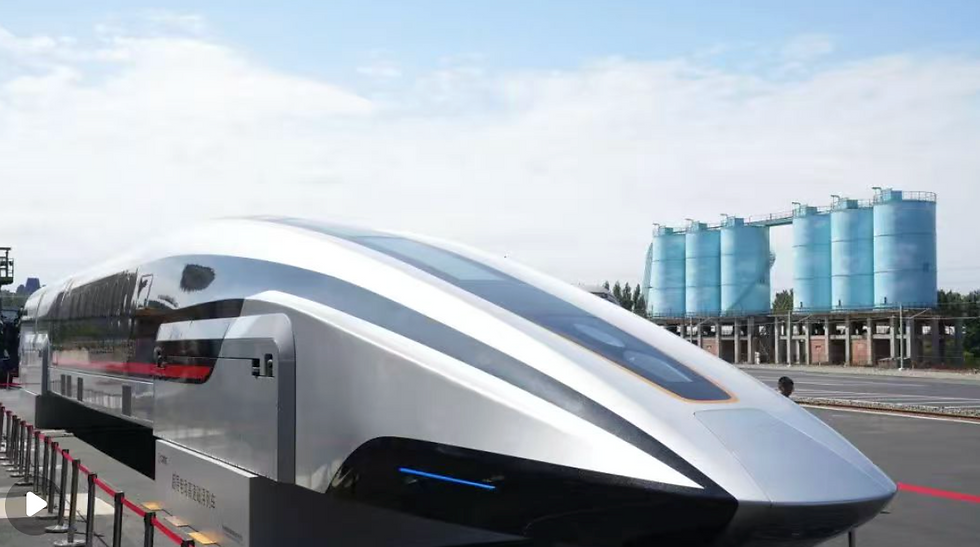
High Costs: The construction cost of maglev tracks is extremely high, reaching 300-700 million RMB per kilometer, far exceeding that of traditional high-speed rail. Furthermore, superconducting maglev technology requires expensive liquid nitrogen and liquid helium for cooling, resulting in high maintenance costs.
Incompatibility with Existing Networks: Maglev trains use dedicated tracks and cannot be interconnected like ordinary high-speed rail, causing significant inconvenience to the construction of trunk railway networks.
Technological Complexity and Stability: Electromagnetic levitation (EMS) systems require complex real-time electromagnetic control to maintain gap stability, resulting in relatively weak anti-interference capabilities. Furthermore, levitation and low-speed operation require independent technical systems.
Strong Magnetic Field Impact: Superconducting maglev (EDS) generates strong magnetic fields, which may pose health risks to passengers with pacemakers and also affect magnetic data storage devices (such as credit cards).
High Energy Consumption: Although there is no wheel-rail friction, the energy consumption for maintaining magnetic field levitation and traction at high speeds is actually higher than that of traditional wheel-rail trains.
Rescue Difficulties: Maglev trains often employ elevated designs, making accident handling and passenger evacuation extremely difficult in the event of power failures or train breakdowns.
Technical limitations: EDS levitation technology cannot levitate at low speeds, requiring wheels for low-speed take-off and landing.


留言